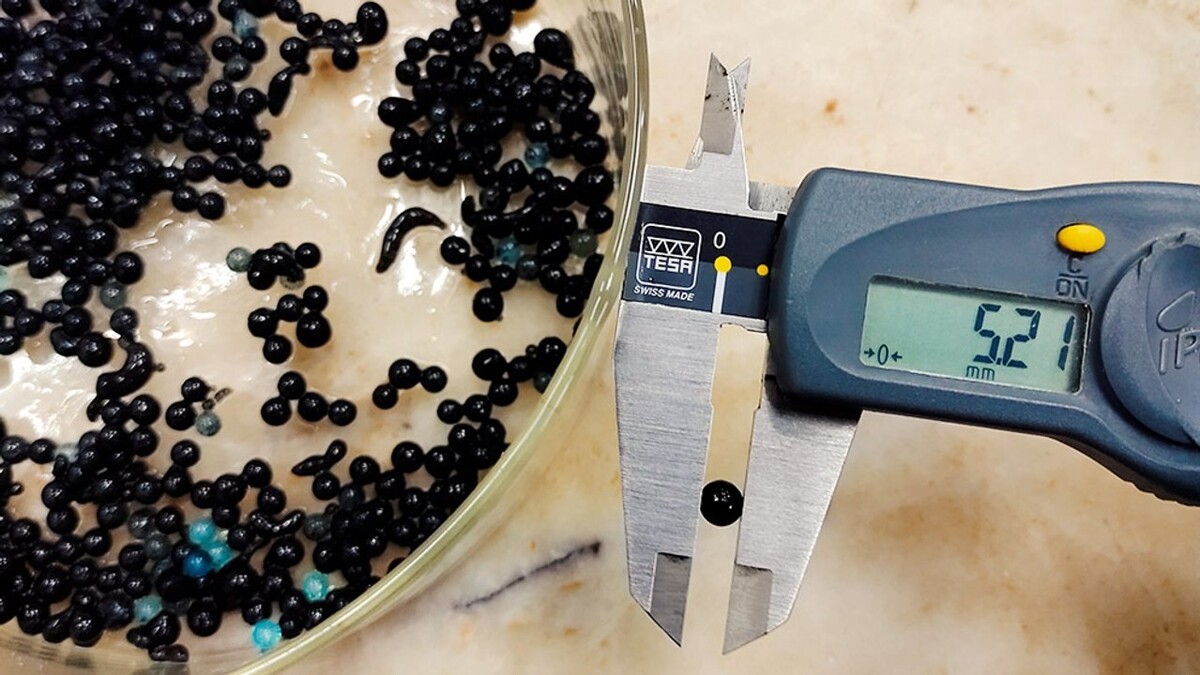
A research team from the National Council for Scientific and Technical Research (CONICET) and the University of Buenos Aires (UBA) at the Institute of Physics of Buenos Aires (IFIBA) has developed a novel material to remove arsenic and other water contaminants, such as bacteria, viruses, fungi, antibiotics, herbicides, pesticides, and dyes.
According to the Argentine News Agency (NA), the development consists of activated carbon modified with metallic salts, combined with an edible polymer. CONICET explained that at a domestic level, the new product could be applied in both classic countertop filters and water purifier pitchers, but it could also be adapted for industrial filtration systems or water storage tanks in communities with limited access to drinking water, without the need for energy.
The product was successfully tested in the IFIBA Polymers and Composite Materials laboratory in accordance with the regulations of the National Administration of Medicines, Food and Medical Technology (ANMAT) for domestic use. Similarly, they hope the product proves efficient for removing herbicides like paraquat and pesticides like atrazine.
"For the trials, a device was built to evaluate the product's performance at a flow rate of 500 milliliters per minute (which is equivalent to filling a one-liter bottle in approximately two minutes). For the studies, water contaminated with 100 parts per billion (ppb) of arsenic was used, and at least 8,000 liters of water were treated, reducing the arsenic concentration to less than 10 ppb, which is the recommended limit."
Additionally, the product was successfully tested on dyes with very good results, just like for antibiotic contamination, such as tetracycline. Currently, the development is seeking a company to move towards commercialization.
Although specific studies on bacteria, fungi, and viruses have not yet been conducted, researchers hope the material will also be effective against these microorganisms due to its active components.